Showing posts with label #MedicalCollegesInMaharashtra. Show all posts

All About The Keto Diet

SMBT Group of Institutions
The popular Keto diet is a cult favorite! It mainly constitutes of omitting carbohydrates from your daily diet completely. The aim is for your body to enter ketosis, which is a state where your body begins burning fat for energy instead of carbs. But, every fad diet comes with a warning label. In this blog, SMBT will look into the pros and cons of Keto.

First, let’s look at a few positives. The Keto diet was initially used to treat patients suffering from Epilepsy with effective results. Today, the most popular reason for switching to the Ketogenic diet is for weight loss. Another benefit of carb restriction is lower glucose levels, aiding in the management of Type-2 diabetes. An emerging field of research is eliminating cancerous cells from our body with the diet. Tumor cells can break down glucose twice as fast as typical cells. Theory suggests, ‘starving’ these tumor cells could inhibit their growth and prevent cancer.

Now that we have covered the benefits of this diet, let us look at possible damage Keto could cause to your body. A major cause of concern is the nutrient deficiencies your body could develop after eliminating entire food groups. It is essential to follow the diet with proper instruction from a specialist in order to avoid complications.
The term ‘Keto Flu’ refers to the side effects you may face while transitioning into this diet. These side effects include hunger, nausea, fatigue, headaches, irritability, constipation and prolonged brain fog. Ample sleep and water may help ease the transitory discomfort.
It could cause an increase in kidney stones, osteoporosis and blood levels of uric acid. Gut health is also affected by the diet as your fiber intake is reduced, hampering smooth digestion.

Research has proven the Keto diet to be harmful to patients with psoriasis. It causes skin rashes and inflammation. A series of experiments concluded that diets containing high amounts of medium-chain triglycerides and omega-3 fatty acids could aggravate inflammatory skin conditions. Make sure your Keto diet is well balanced and limited to long-chain triglycerides such as fish, nuts, soybean or olive oil, meat and avocado. Patients with psoriasis should reconsider switching to Ketogenic diets.

Before you go Keto, make sure you take the right precaution and get a full body check-up to rule out any health complications you may be facing that are not Keto-friendly. Consult a dietician for guidance on following the right kind of Keto diet for you. Ensure you are taking the necessary supplements along with your diet to avoid nutrient deficiencies. Switching diets is a major lifestyle change, so make sure your body and mind are fully prepared for it!


Stay tuned to www.smbt.blogspot.com for more interesting and informative blogs!

Students Combating Chronic Pain

SMBT Group of Institutions
Do you face frequent or prolonged headaches? Have you noticed a constant pain in your back arising in the colder months? Do your joints begin to hurt more than expected when you perform physical activities? You may be suffering from chronic pain. As a student, you are subjected to long hours of study and classes that could prove to be uncomfortable for your body. It is essential to take precaution before your body develops a chronic condition
Chronic pain is in common terms, pain that is persistent. It is commonly caused due to musculoskeletal injuries, autoimmune diseases, nervous system dysfunction and chronic diseases. There are three main areas of our body that are subjected to chronic pain, which are, our head, back and joints.
Chronic Headaches 
A chronic headache lasts for at least 15 days of the month and goes on for a minimum of three months. Common chronic headaches are tension headaches, eye strain headaches, migraines and cluster headaches. 
Tension headaches arise from fatigue, stress and irregular sleep patterns. Limit your all-nighters and make sure to follow a schedule so that you aren’t overworked. 
Eye strain headaches are exactly what they sound; they are caused when our ocular muscles are strained. Make sure you limit your time using electronic devices and check your lighting when you’re reading. 
Migraines are severe headaches that stem from nervous system triggers or hormonal irregularities. Individuals may suffer from headaches in particular parts of their head. These are cluster headaches and they’re caused due to the enlargement of our blood vessels. Regulate your use of prescription drugs and reduce or better yet, eliminate the consumption of cigarettes and alcohol. 

Chronic Back Pain 
This is more commonly experienced in the lower back and is caused due to injuries, arthritis, osteoporosis or natural wear and tear. It is the result of slipped or bulging discs, spinal stenosis, compression fractures, soft tissue damage due to strain or trauma, spinal fractures, scoliosis or lordosis. Spinal stenosis involves the narrowing of the spinal canal and compression of nerves. Soft tissue damage occurs when there is trauma to back muscles, ligaments or tendons. 
Chronic back pain can prove to be a serious issue and hamper the patients day to day performance. If you are an active athlete or used to be in the past, and may be suffering from back pain, it is wise to get yourself checked. There is also a possibility of the heavy bag weight students have had to carry during their school years that could have developed into one of this generation’s biggest complaints. 

Chronic Joint Pain 
This kind of pain is mostly caused by injuries, infection or ageing. The most common reason for chronic joint pain is arthritis. Specifically osteoarthritis, rheumatoid arthritis, bursitis and tendinitis. Osteoarthritis affects large joints and is more common among the elderly. Rheumatoid arthritis is an autoimmune disorder that causes our joints to swell up. Bursitis occurs when the fluid-filled sacs that cushion our joints get inflamed. Tendinitis is the inflammation of our joint’s tendons. Chronic pain is also a result of repetitive motion injury which is most often seen in people who are subjected to regular strenuous physical activity, such as athletes. 

Chronic Nerve Pain 
This is also known as neuropathic pain which occurs when our nerves are stripped off of myelin sheath, i.e. their protective exterior coating. This happens when nerves are damaged, compressed, or exposed to drugs. Chronic nerve pain is the result of conditions such as sciatica, diabetic neuropathy, carpal tunnel syndrome and trigeminal neuralgia. Sciatica is a sharp shooting pain in the leg caused by a nerve compression. Diabetic neuropathy is the umbrella term for nerve disorders usually occurring in our hands or feet that are caused by diabetes. Carpal tunnel syndrome is a tingling, numbing or sensation of weakness in the wrist due to a strain on its nerves. Trigeminal neuralgia is severe facial pain caused by damage to the trigeminal nerve of the face. Did you know? Simple repetitive motions of texting on your phone and typing on a computer may contribute to a case of carpal tunnel. 

Diagnosing Chronic Pain 
The keyword being ‘chronic’ which means ‘constantly recurring’, a diagnosis of chronic pain is usually made only after three to six months of experiencing it. Patients have to go through numerous tests such as imaging, blood work and nerve tests to eliminate the probability of certain diseases and disorders and eventually draw up the right diagnosis. The most common methodologies of detecting chronic pain symptoms are X-rays, MRI scans and CT scans. 

Multiple Cases of Chronic Pain 
A recent review of 14 different studies found that there is a link between chronic back pain and headaches. It said that patients suffering from chronic joint or head pain have twice the chances to experience the other disorder. This review was published in the Journal of Headache and Pain where the 14 studies had a variety of sample ages; the smallest of which were 88 participants and the largest sample size was a study conducted with 404,206 participants. 

It is said that chronic pain is a sort of disability that the patient has to live with. The review of these studies determined that patients suffering from one type of chronic pain are highly sensitive to the other one. This urges doctors to look into combined treatments that help counter both aiments at once. At the moment, there are a few holistic remedies. It is best for science to invent a sort of multi-purpose medication that combats both disorders at once. It would also ease the patients financial burdens with one solution for multiple problems. 

For now, the right medical and physiological management can help provide a quality life for patients. Once there is substantial research conducted and science is able to clearly understand the complex biological relationships that interlinks two disorders, patients can look forward to a better quality of life that they are already provided. 

For more informative blogs and to keep up with the latest breakthrough in medicine, stay tuned to www.smbt.edu.in

Does the patient have Lewy body dementia or Alzhiemer’s?

SMBT Group of Institutions

Dementia is an umbrella term for diseases that deteriorate cognitive functions making it difficult for patients to perform simple daily tasks. Lewy bodies are small deposits of protein in brain cells, called alpha-synuclein. In the early 1900’s, neurologist Dr. Freiderich H. Lewy accidentally discovered Lewy body dementia while conducting research on Parkinson’s disease.

Lewy body dementia is a condition where the patient’s mental and physical abilities rapidly decline. Its effects are a kind of combination of the effects of Alzheimer's and Parkinson’s. One of the first symptoms of Lewy body dementia is visual hallucinations. Patient may see animals, shapes or even people that aren’t there. Hallucinations can also extend to sound, smell or touch. The patients’ autonomous nervous system begins to glitch. Our pulse, blood pressure and sweat glands are regulated by a part of the nervous system which is severely affected by Lewy body dementia causing frequent falls, dizziness and bowel issues. Patients also face difficulties sleeping or paying attention. They may also suffer from depression and apathy. Patients experience cognitive symptoms of Alzhiemer’s such as confusion, visual-spatial issues and memory loss. They also go through Parkinsonian signs such as slowed movement, rigid muscles and difficulties walking.

The demographic at risk are statistically men, over the age of 60 and the condition is hereditary. If complications persist, patients can suffer severe dementia and depression as well as aggressive behaviour and worsened Parkinson’s symptoms. On average, the patient may pass away approximately eight years after symptoms start.

Looking at how complicated the symptoms of this disease are, one can easily understand how it can be misdiagnosed. Surveys show that 80% of lewy body dementia patients are misdiagnosed! Out of this percentage, 50% were misdiagnosed with Alzhiemer’s. 15% of patients had to consult over five doctors before getting the right diagnosis. Only 27% were diagnosed correctly within three months after their symptoms began to show. 23% received the right diagnosed within a year. 50% patients got the correct diagnosis after over a year and 20% had to wait for a whole three years before being accurately diagnosed.

This is a fatal situation to be in for a disease that directly and quite severely affects its victim’s brain. Late diagnosis is extremely harmful. Recent studies have shown that Alzhiemer’s and Lewy body disease can be differentiated through the patients walking patterns. Research shows that although both diseases affect the brain, they affect different parts of the brain. Alzheimer's attacks the hippocampus which is responsible for brain formation while Lewy body disease attacks the part of the brain that controls movement and certain fragments of memory. When a study was conducted, it showed that patients with Alzheimer’s rarely showed variation in their walking pattern while Lewy body dementia patients all had unique walking patterns with variation in the time it took to take a step or the amount of steps they could take at a time. The researchers, through this study, could differentiate between the disease with an accuracy of 60%. This is the very first study that has come through with these findings that could prevent misdiagnosis before it’s too late.

Science continues to advance in their findings to combat and cure life-threatening diseases so humans can live a long and healthy life. SMBT continues to educate their audience about the latest research in the medical field. Stay tuned for more interesting and informative blogs on www.smbt.edu.in

The Suicide Stigma

SMBT Group of Institutions

There is a lot of conversation around the concept of suicide in our society. The overall institution of mental health is not openly talked about in many regions of India. One may say that the prolonged ignorance of deterioration mental health could result in suicide. This Suicide Prevention Awareness Month, SMBT takes a closer look into the status of suicide in India.

“But he was so happy, why did he do it?”

“She was always the life of the party. Makes you wonder why she would make this decision.”

“He had everything, why would he kill himself?”

The most common question that people have is, “why?” The simplest answer to this question is the popular saying, “Everything is not what it seems.” One can never be sure about what really goes on in someone else’s mind. But of course, there are reasons that are more explanatory. This blog is meant to focus solely on abolishing the stigma around mental health, but to achieve that we must first understand the institution of mental health and answer the ‘why’ question, scientifically.

In the medical field, suicide is linked with depression. In our society, symptoms of depression are often mistaken for laziness or disinterest in things. In theory, these are real symptoms, but they are not excuses for one’s incompetence. Patients suffering from depression are physically unable to bring hope, happiness or basic interest in their lives. There is an extensive amount of research being conducted about the physical tell-all signs of the illness. The most common diagnosis of depression is a chemical imbalance in the brain, but there seems to be a lot more to it. Studies show a difference in brain structure, glitches in the functioning of neurotransmitters and more. This helps us better understand how mental illnesses can physically affect its victim. Mental illnesses are not always triggered by external life events, they can also, like many physical illnesses, be hereditary.

From the information above, we can successfully answer the ‘why’ surrounding suicide. An individual’s financial or family status does not determine what is going on in their mind and their brain activity. y We can also understand that suicide isn’t a conscious choice or as most say, ‘the easy way out’. Mental illnesses that are left untreated for a long period of time drive their victims to take such harsh measures. It is often said that they aren’t looking to end their life, they’re just looking to end the pain within them. The impact depression has on the brain causes physical pain to the patient’s body. A kind of pain that painkillers are often not enough to numb. This is where patients develop habits of substance and drug abuse.

Now that we fully understand why someone would resort to something as severe as suicide to get away from their mental illness, leaving behind their seemingly well to do lives and families, let us look at a few demograpic statistics in India to better understand what leads individuals to take this decision in the Indian society. 800,000 people succumb to suicide worldwide, yearly. Out of which 17%, i.e. 135,000 are Indian residents. The top five reasons for suicide are marriage-related issues. Research shows that there are twice as many male suicide cases than that of females. In fact, until two years ago, suicide was considered a criminal offence! What do we understand from these statistics? There seems to be a hidden conversation about the ideology of toxic masculinity. Men in Indian societies are not allowed to be expressive about their feelings and emotions. Any emotion that isn’t stable or a composed demeanour is considered a sign of weakness. This prohibits men and to an extent many women in India to openly communicate their mental health issues, in fear of being shamed by their families and peers. This promotes prolonged untreated mental illnesses that lead to extreme measures of taking one’s own life.

The most important takeaways from this blog are that firstly, mental illnesses are not excuses to be lazy or lethargic and must be treated like one would with any physical ailment. Suicide can be defined as the result of prolonged, untreated mental illness. Our society has a long way to go with accepting the expression of human emotion regardless of the age, gender, occupation, or any other factors. The stigma around suicide can only be eliminated when we, as a society, abolish the stereotype of voicing feelings being a sign of weakness. Once we allow open conversation about mental health without judgement, individuals who may be going through something will have the confidence to talk about it and ask for help, before it’s too late.


For more informative blogs, stay in tune with SMBT Group of institutions at www.smbt.edu.in!

The Abuse of Blood Donor Dogs

Blogger.valens@gmail.com

Why do we need blood donors?: Blood Transfusion
Individuals donate blood that is stored in banks and used when an individual requires a transfusion. Blood transfusion is needed in cases where the patient suffers from severe blood loss, severe infection, liver disease, anemia, and more.

Donor Dogs & their Abuse
Just like humans, dogs also require blood transfusions in certain surgeries or medical conditions, creating the need for donor dogs that can provide canine blood. The procedure of collecting blood from donor dogs is painless and quick. The dog is made comfortable and blood is taken from its jugular vein in a matter of 15 to 30 minutes. The dog is given enough reassurance throughout and treats for positive reinforcement in the end.


But what happens when selling canine blood is turned into exploitative business practice?
Greyhounds are universal blood donors as their blood is compatible with all breeds. There are canine blood “banks” that breed greyhounds and sell their blood to hospitals. Hemopet is rumored to be such a book bank, located in California, USA. They house around 200 greyhounds, most of which are retired racing dogs. Racing dogs are usually euthanized after their career. The organization started as a way to save these canines from being euthanized and providing universal blood to other canines at the same time.

But there have been serious allegations against their care for their dogs. There have been rumors of them mistreating canines by constricting them to small cages for 23 hours at a stretch. Other allegations include drawing blood from unhealthy dogs suffering from anemia, infections and incurable diseases such as lupus. The deprivation of normal life and emotional neglect of these dogs cause them immense distress and are the cause for frequent fights between canines that leave wounds. There are allegations that the staff of Hemopet does not take the right measures to prevent these fights and leave the inflicted wounds untreated, causing infections.

Hemopet has denied these allegations and continue to vouch for their dogs being treated well and kept in safe, habitable and caring environments. But the public is not convinced.

What can you do to help?
First and foremost, we can do our bit by spreading awareness about this case.
SMBT has also gathered a list of petitions you can sign to put a stop to the cruel acts of Hemopet.
For more informative blogs, visit www.smbt.com

NIPAH VIRUS: WHY IS IT SO DEADLY?

Blogger.valens@gmail.com

The state of Kerala is in a state of daze and panic as it faces the outbreak of Nipah virus in some of its districts again. And even though the state government has been quick to respond, there is still time for us to breathe a sigh of relief as it has not been contained completely.  So what is this virus exactly and why is it considered to be so dangerous?

What is Nipah virus?


Named after Kampung Sungai Nipah, the place at which it was said to be originated in Malaysia, 1998, Nipah virus is a zoonotic disease (a disease that is transmitted from animals to humans) that is naturally hosted by fruit bats. Fruit bats are considered as a reservoir of diseases as they carry 60 different types of viruses and also cause diseases like Ebola and Zika. Since fruit bats can only be found in warm regions, the outbreak of Nipah is largely restricted to such places like Malaysia, Bangladesh, and India.

How is Nipah virus transmitted?
Nipah Virus can be transmitted to humans via direct contact or via the transmission of body fluids.


Source: Practo


As the chart shows, one can get infected by the Nipah virus by being in direct contact with the bats, eating fruits bitten by bats affected by the same or by eating the animals who have consumed such fruits. It can also spread by being in direct contact with a person infected by the virus.

What are the symptoms of Nipah virus?
NiV can spread inside the human body without any significant symptoms until a period of two weeks. However, some might display symptoms similar to that of influenza (commonly called flu).

Why is Nipah virus this deadly?
NiV is considered to be deadly for two main reasons-
The virus has the ability to develop into fatal encephalitis, which is a condition that can cause inflammation and swelling of the brain. Also, there is no such cure to NiV. No treatment can completely cure one suffering from Nipah virus and the current treatments only involve supportive care.

For more such informative blogs, keep following us!

AN INSIGHT INTO THE SMBT WORLD

Blogger.valens@gmail.com
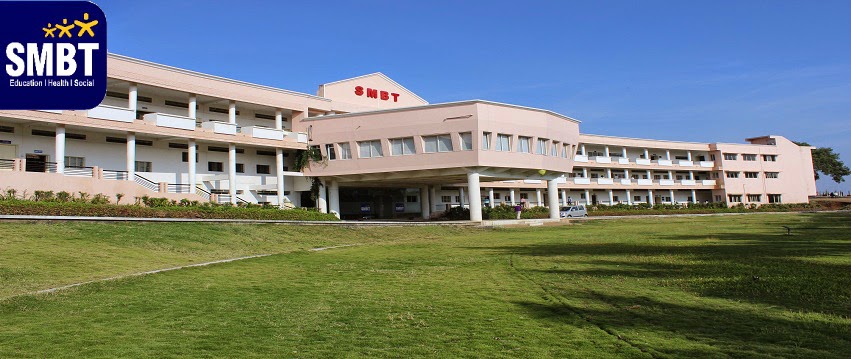
SMBT’s campus in Dhamangaon, Nashik is a world full of amenities and world-class facilities. Since we believe in providing our students with the best, we have a campus that has it all. Adding to a thousand reasons why you should be joining SMBT Group of Institutions, is the campus life and facilities that we provide to our students-

Image result for smbt group of institutes

The campus consists of SMBT’s Medical College, Dental College, Ayurveda College, Nursing College, Institute of D.Pharmacy, SMBT Hospital and Ayurveda Hospital. The campus also has a Dental Boys hostel, Dental Girls Hostel, MBBS Boys Hostel, MBBS Girls Hostel, Ayurveda Boys Hostel, Ayurveda Girls Hostel and Staff Quarters.

More than 1000 students stay at our Nashik campus and we are always working towards providing them with a safe environment to live in. Which is why our campus has security stations and personnel at every corner of the campus.

Our campus also has a marketplace from where the students can buy the items that they need. A special place is also allocated to Laundry. Facilities like ATM are also provided inside the campus itself. Students can also have their bits fun at the huge SMBT Stadium, gardens and Indoor Game Club. 

We want to make sure that the students at SMBT are always healthy and hence, have provided them with various canteen options that serve them with taste and health. We have also designed a Health Club for the students where various health benefiting activities are conducted.

Also, many other amenities like washrooms, service stations and parking zones are present throughout the campus. Parents who visit their children can enjoy the benefits of the dormitory and have a pleasant stay at the campus. The campus also has a temple and an auditorium.

All these facilities make SMBT’s Nashik campus a very pleasant and home-like stay. The students living here never feel short of anything and are always seen smiling with content.


Have you enrolled yourself at SMBT yet? Visit www.smbt.edu to know more about us!

SMBT HOSPITAL- NORTH MAHARASHTRA’S LARGEST CHARITABLE HOSPITAL

Blogger.valens@gmail.com


SMBT Group of Institutes is one of the top medical colleges in northern Maharashtra, providing a range of degree courses such as Medical and Research, Dental, Pharmacy and Ayurveda. From the very beginning, SMBT aimed at providing quality medical education and healthcare for the underprivileged sections of the society.


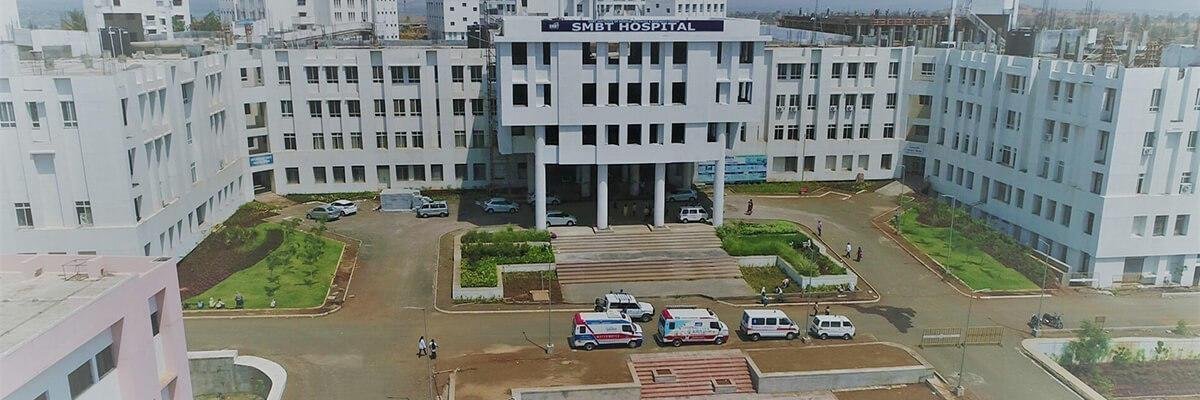
Which is why, in 2012, SMBT opened its very own charitable hospital and clinic, which is now the largest in North Maharashtra. SMBT Hospital, SMBT Heart Institute, Ayurved Hospital, Dental Hospitals and Amrutvahini Hospitals are all a part of this unmatched healthcare services that SMBT provides.

SMBT Group of Hospitals provide healthcare services at remote areas of North Maharashtra where most of the population is unaware of the advancement in medical sector. All the treatments are available at affordable rates keeping in mind the socio-economic condition of the patients in the region. 

We provide -

  • 24x7 services that are free of cost
  • Quality treatments with a dedicated and experienced team of doctors
  • 100 bedded ICU
  • 13 Modular Operation Theatres
  • Free blood bank
  • Cath lab
  • Dialysis unit
  • Emergency trauma care
  • Central pharmacy
  • Cardiac ambulances
  • Cafeteria
  • Dormitory for relatives
With all these world-class facilities and a team of doctors that is continuously working hard to provide good healthcare for the people who had been completely overlooked for years, SMBT is constantly improving and growing. We are glad to be contributing to the society in our little ways and aim to work hard towards adding more to it. 

RELEVANCE OF AYURVEDA IN TODAY’S WORLD

Blogger.valens@gmail.com


The word Ayurveda is composed of ‘Ayur’ meaning life and ‘Veda’ meaning science. When putting together, Ayurveda literally means the science of life. For a long time, the importance of Ayurveda was neglected, with modern science taking the front foot. But now, the world is slowly trying to explore the field of Ayurveda as modern science fails to solve some of our problems.


Why Ayurveda?
Ayurveda, as discussed earlier, is the science of life. It concentrates on the prevention of problems rather than finding ways to cure them later. In simple words. Ayurveda provides guidelines and lays out a set of instructions, that, when followed regularly, will lead to optimum utilization of one’s energy and balanced living. The basics of Ayurveda lies in seeing an individual as a part of the environment interacting with nature.

For example, according to Ayurveda, one must wake up before 10 am in the morning and have a bath, meditate, exercise, and have breakfast within two hours of waking up as Kapha, a quality associated with lethargy, dominates the human body in between 6 am to 10 am. Hence, an early rise will guarantee a fresh and energetic day. Similarly, all the heavy meals should be consumed between 10 am to 2 pm as the quality that is associated with fire and digestive aids, Pitta, is at its highest during this time. In the time period 2 pm to 6 pm, Vata energy is at its highest and aids in mental work and creativity. In the evening, Kapha energy again comes into play and the cycle completes.

This cycle, if noticed, goes in sync with the cycle of the sun (i.e, nature). Ayurveda is all about the observations made between the similarities of nature and humans and using those observations to live a life full of zeal and happiness. Ayurveda is a 5000-year-old philosophy based on a deep understanding of the human body as a whole, encompassing the mind, spirit and emotions. It embraces medical science, philosophy, psychology as well as environmental factors.

Like the world accepted the benefits of Yoga and meditation that has its roots from India and its time that it will soon start acknowledging the importance of this Indian science as well. The holistic approach of Ayurveda insists on finding natural cures to our problems. It is a sustainable system of healing that is available to all and works in harmony with the natural world. Ayurvedic healing tools are easily available and the central message of Ayurveda is, “let food be your medicine and kitchen be your first pharmacy”.

At S.M.B.T Ayurved College and Hospital, we train our students and treat our patients with the mission of reminding them of the power of Indian roots and the vision to surpass the conventional approach to medical science. At S.M.B.T Ayurved College and Hospital, students learn the ways of improving lifestyle by amalgamating traditional Ayurveda with modern medicine.

SMBT: A HOME AWAY FROM HOME

Blogger.valens@gmail.com
SMBT has been continuously striving towards making itself better. With its ever-increasing number of schools, institutions, hospitals, and research centres, SMBT is proud to have more than 2200 students that receive only the best quality medical education.


SMBT tries to give its students the best possible environment to live in, which is why we make sure that we make our students feel like home. With the facilities that are provided to our students to the activities and events that are held for them, SMBT is a home away from home-

  • SMBT offers more than 750 spacious rooms for the students who opt for living in hostels. 
  • There are 1020 students staying at the Nashik campus and 700 at the Sangamner campus. 
  • Students at SMBT get the best quality food. 
  • Sports competitions and facilities to create a healthier atmosphere. 
  • SMBT FEST is held every year to encourage the students to pursue their extra-curricular talents and skills. 
  • Students themselves arrange the cultural and sports events with great enthusiasm. 
  • Every student is provided with the opportunity to be intellectually curious, thoughtful and reflective. 

For the facilities that we provide, the quality of education we give, the atmosphere we try to create and the joy we try to bring to every student of ours, SMBT is proud to call itself ‘a home away from home’.


SMBT: A Student-friendly and academics-worthy campus.

SMBT Group of Institutions


It is a known fact that having good infrastructure and a healthy learning environment in educational institutes is decisive for students to achieve the expected academic results. In other words, the campus and infrastructure directly impact the performance of the students.

The fact is that a good infrastructure, with renewed spaces, makes it possible for youths that live in remote areas to study and, in addition, tends to improve the attendance and interest of students and teachers in learning. For this same reason, investments in college infrastructure have an essential role in solving access problems of students to the college system and to improve their performance.

SMBT group of institutes provides a healthy and positive environment that facilitates learning.

SMBT Educational trust was founded in the year 1984, with an aim to provide free education to children of economically deprived class of the tribal society. Later, a multi-specialty charitable hospital was started with the sole aim of providing help to the rural people in need of medical care.

The educational institutes under SMBT trust include:

  1. SMBT Institute of Medical Sciences and Research.
  2. SMBT Dental College & Hospital.
  3. SMBT Ayurveda College & Hospital.
  4. SMBT College of Pharmacy (B Pharm & M Pharm).
  5. SMBT Institute of Pharmacy (D Pharm).
  6. Jai Hind Tribal School. 

All the above institutes have modern and spacious building to accommodate all the classes, library and laboratory within the institute campus. A separate multipurpose building complex is provided to cater to extra-curricular needs of the students.

Library

The institute has an excellent collection of technical books including textbooks, reference books, competitive examination books and handbooks.

Laboratories

The institute has fully established laboratories as per norms of the SPPU and AICTE.

IT Resource Center

We have full fledged computers and peripherals laboratory with high end PCs and with good internet speed.

Sports Facilities

The institute has adequate facilities for indoor as well as outdoor games.

Hostels

Hostel facilities are well defined with separate hostels for girls and boys. All necessary amenities such as food, cleaning, entertainment are taken care of.

Transport

Three buses have been provided for conveyance of students from various parts of Nashik City to campus and back.

Canteen

Keeping in mind the nutritional requirements of students, canteen facilities have been made available in the campus. Adequate care is taken to ensure maintenance of hygiene standards.

Properly planned infrastructure is an out-and-out key factor in effective teaching and learning experience. It also plays as a simulator for increased student attendance and staff motivation.

Medical science is creating innumerous opportunities today!

SMBT Group of Institutions

The frontier of medical science has rarely been as exciting and as full of spectacular opportunities as it is today. From basic science through clinical research to health service research, the opportunities made available through impressive breakthroughs of recent decades in biomedical as well as the physical, computational, and behavioral and social sciences have paved way for unprecedented possibilities. Although traditionally structured laboratory and clinical techniques are still largely prevalent, several technical and scientific advancements have altered how medical science is perceived.

Why should you consider pursuing medicine?

When it comes to applied sciences, careers in medicine have got to be one of the most important areas for you to enroll in. Be it a doctor, a dentist or a research scientist you want to become your job will be integral to treating illness, solving physical problems, developing newer medicines for fatal diseases; all in all, saving lives.

What options can you explore in medical sciences?


There are so many different areas of medical sciences, it is difficult to decide what to start with.
To show you how massive is the list of occupations in this sector, here’s a start as to things you might be doing:

  • Performing operations and surgeries, number of which would increase with your experience.
  • Diagnose and treat problems related to people’s teeth, gums and related parts of the mouth.
  • Developing a cure for cancer.
  • Figuring out how to make multi-vitamin tablets much, much smaller.
  • Scientific study of living organisms related to their origin, evolution and biological traits. 
  • Diagnose and treat various eye disease as well as prescribe and fit lenses to improve vision.
  • Conduct research on specimens, such as bacteria and viruses, then regularly perform reviews and clinical investigation. 
  • With these and many more options available, the medical world is truly your scientific oyster.

Benefits of working in the medical field

It’s a good time to be a professional in the field of medicine and science- the demand for top talent in the industry is soaring. Job opportunities are expanding at a rate of 22% per year, ensuring you won’t face a problem of not finding a job. Due to an aging population and major changes in the healthcare market, careers in health sciences are expected to see substantial growth over the next decade and into the future.
Clearly, working in the medical field or in the science industry can be extremely appealing, and a big part of that appeal is the generous salaries that the professionals take home. The average annual salary for any medical professional is roughly around INR 5,00,000.
Apart from the above advantages, the satisfaction of saving a life or working towards the betterment of lives is something only medical professionals can proudly experience.

Career options after Bachelor of Ayurvedic Medicine and Surgery.

SMBT Group of Institutions


   An ancient system of medicine, which traces its roots back to the Vedic times, Ayurveda stresses on holistic health, which not only provides soothing and curative medicines but also plays a vital role in prevention of recurring diseases. According to Ayurveda, all ailments are understood as imbalance between three elements of the human body Kapha, Pitta and Vata. These elements are commonly called as Doshas in Ayurvedic terminology. Kapha means Phlegm (water and earth), Pitta means Bile (fire and water) and Vata means wind (air and space). The technique of Ayurveda allows you to indulge in natural healing capabilities of human body and nature. However, one cannot expect a speedy recovery, because it takes a little longer than conventional allopathic treatments. It’s an all-encompassing technique which requires changes in diet, lifestyle and habits.

BAMS (Bachelor of Ayurvedic Medicine and Surgery) is a graduate degree in field of Ayurvedic science. It is a 5 ½ year degree course with academic session for 4 ½ years and 1 year is dedicated to internship programme with live practical. After completion of this degree, one must mandatorily resister him/herself at the respective councils (under Indian Medical Central Council Act). Also, to practice across the country, registration under Central Council of Indian Medicine (CCIM) is a must.
Further, the scope of Ayurveda is ever increasing not only in India but also in the world. In many cases, when the usual allopathy fails to deliver expected results, Ayurveda comes to the rescue of patients, providing effective treatment and rejuvenating them. Naturally, it opens wide doors for those with a BAMS degree seeking career opportunities, regional as well as global.
  • You can work as medical officer/doctor in government or private Ayurveda hospitals.
  • With advanced degrees like MD and PhD, an ayurvedic doctor can qualify for supervisory/research/teaching position in various Universities or organizations.
  • One can start his/her own practice or set up a retail shop for ayurvedic medicine.
  • There is a high demand in the pharmaceutical industries for ayurvedic doctors to regulate/monitor the drug research.
  • Staring salaries for BAMS graduates ranges between INR20,000-40,000 monthly, whereas with an MD one can expect around INR50,000-80,000 per month.
  • With newer diseases coming up every other day, a study in Ayurveda not only promises secure income but also provides numerous opportunities to serve the society as a whole.

5 New Cardiac Technologies to look out for

SMBT Group of Institutions

For most of the 19th century, doctors used most of the medicals tools that fit easily in their little medkit bag, and diagnoses were based more on instinct than on science. The advancement and discovery of various antibiotics, lifesaving drugs and equipment have contributed tremendously to increase the lifespan of a human being on average of nearly 30 years. It’s easy to see how advances in health and medicine have touched the lives of nearly every person on the planet, whether its technology that allows us to peek deep into or body or the medicines that extend the lives of those with unimaginable and sufferable chronic disease.

Here are 5 innovative cardiac technologies that will change the outlook of the coming future:

1) GOOGLE GLASSES

Google Glasses are one of the best known wearable technologies made. They are similar to any other spectacle with preloaded options of taking pictures and recording videos in HD and wireless transmission. Cardiologists have successfully used the equipment in cardiac surgeries. They are used for coronary angiography where the cardiologist takes accurate, precise and resolute pictures of heart artilleries and could transfer the images to computers or Ipads.

2) BIORESORBABLE STENTS

During an operation, the cardiologist needs to perform an open artery surgery where they push a mesh tube called stent that releases drugs into the vessel to keep it open. But using the stent over time might cause blood clotting and to overcome the disastrous consequences a new type of stent that gradually dissolves within a year or so may help sidestep that problem. They also enable treated vessels to regain their ability to constrict and expand.

3) LEADLESS PACEMAKER


A PaceMaker is a device for stimulating the heart muscle and regulating its contractions. It consists of a small battery-operated power source implanted under the skin. PaceMakers these days are of top quality, the only faulty part of them is the lead which they use which cause complications or an infection at the insertion site. The leadless pacemaker is a tiny, self-containing unit which is placed on the inside wall of the heart through a thin, flexible tube called catheter. The new model of the pacemaker does look promising without any after effects.

4) VALVE-IN-VALVE PROCEDURE

Compared to mechanical valves that carry a high risk of blood clotting, heart valves made from animal tissues (bioprosthetic valves) are increasingly used to replace stiff, narrowed aortic valves. Bioprosthetic valve is inserted into the heart via a catheter at the site of the failing device.it turns out to be the best valve replacement option for people at high risk from surgery.

5) PROTEIN PATCH FOR HEART MUSCLE GROWTH

The cells cannot fully regenerate and scar tissues form when heart muscle cells suffer damage and die. It makes the heart harder for the heart to pump blood effectively and ultimately leads to heart failure. Recently, a team of health and bioengineering experts discovered a natural protein that can promote the growth of normal tissues. Human clinical trials are yet to take place on the patch in the upcoming year and it goes holds a bright future for bioengineering

MEDICAL MYSTERIES

Blogger.valens@gmail.com
 
Medical Industry has developed and advanced in past 50 years. New treatments, various type of modern equipment, vaccines are being introduced for a better and healthy life for human beings. However, there comes a speed bump in this ever-advancing field. Diseases, genetic conditions, and conundrums rise from almost any part of the world and leave even the best and well-equipped scientists and doctors baffled.

Here is a list of medical mysteries which shook even the renowned medical facilities.

1) Water Allergy

Yes, there's this disease where individuals are allergic to water. It does sound impossible as our own body contains 70% water. They can still drink water and other stuff, its water that comes in contact with the body that causes the problem. The victim's skin starts to erupt in itchy red welts when they take a bath or shower. This rare condition is known medically as aquagenic urticaria. It first came to light in 1964. Its cause is still a mystery, but doctors deduced that it might be due to toxic response when water touches the skin, or due to extreme sensitivity to ions in water.

2) Chimeric People

It's a strange anomaly. Imagine a person went through a genetic test and found out that he/she is not the biological father/mother- despite the fact that he/she gave birth to them. It was an unfeigned case that Margot Kruskal, a doctor at the Beth Israel Deaconess Medical Center in Boston, Massachusetts, came face to face with such five years ago. The patient needed a kidney transplant, and so her family underwent blood tests to see if any of them would make a suitable donor. When the results came back, she was hoping for good news. Instead, she received a hammer blow. The letter told her outright that two of her three sons could not be hers. No one knows how common chimeras are but due to changing evolution and genetic diversification, cases like such might come to light.

3) Foreign Accent Syndrome

You woke up in the morning with an accent different than what you have been using since all these years. Chances are that you are suffering from Foreign Accent Syndrome. The best-known case of this syndrome dates way back to 1941, where a Norwegian woman was repudiated after she was injured during an air raid and began talking with a heavy German accent. This syndrome was once contemplated as a psychological disorder but later was ruled out for being a neurological disorder which comes about when a stroke or injury damages the part of the brain associated with speech.

4) Tree man

We all have heard of this syndrome, haven't we ? Dede, a man from West Java, Indonesia, appeared to be half man, half tree. But what was the reason for this deformation ? Thankfully this mystery has been recently solved. It appeared that a rare immune deficiency which allows the human papillomavirus, better known as warts when goes out of control, thickening of skin takes place which starts spreading across the whole body.
 

5) Putrid finger

A distressing case study was found from a 1996 issue of the medical journal The Lancet. A 29-year-old man had pricked his fingers on a chicken bone 5 years previously, leaving him with an infection which made him smell terrible.

"The most disabling consequence of the infection was a putrid smell emanating from the affected arm , which could be detected across a large room , and when confined to a smaller examination room became almost intolerable”, the paper states.

The cause of the infection was identified and the wound did not respond to any antibiotics. The patient was treated by a dermatologist at Peter Holt of the University Hospital of Wales where it was later reported that the patient's infection cleared up spontaneously, and he no longer smells putrid. But the case still remains a mystery .